

HSV in the Lifestyle: Breaking the Herpes Stigma with Courtney Brame
Today we are going there. Full send.
Adam and Pris sit down with Courtney Brame — founder of Something Positive for Positive People (SPFPP), host of a podcast with over 350 episodes, 500-hour certified yoga teacher, co-author of a sex education book, and one of the few men of color leading the national conversation on HSV stigma. Courtney was diagnosed with genital HSV-2 in 2013. Instead of shrinking from it, he turned that experience into a full-on movement — one that has helped thousands of people reclaim their identity, their sexuality, and their sanity after a herpes diagnosis.
This episode is not just for people who are HSV positive. It is for anyone who has ever had sex, is having sex, or is planning to have more of it. Which, if you're in the lifestyle, is all of you.
In This Episode:
- Courtney's origin story — how a Saturday morning at his grandmother's house led to founding a 501(c)3 nonprofit that has saved lives
- Why 36% of people report suicidal ideation after a herpes diagnosis — and why Courtney decided that was unacceptable
- The truth about HSV-1 vs. HSV-2 — and why your middle school health class completely failed you
- Cold sores. Yeah. Those. We're going there.
- The lifestyle's unspoken assumption that "nobody here has anything" — and why that assumption is the actual problem
- How to have the disclosure conversation — Courtney literally walks us through his real-life script, word for word
- Why communicative sex is the safest sex — and what that actually looks like before clothes come off
- The 360-degree analogy that reframes everything you think you know about what a diagnosis means for your identity
- How yoga therapy became a cornerstone of Courtney's healing framework — and why nervous system regulation matters more than you think
Plus: Pris gets completely honest about her own ignorance around HSV, Adam gets real about the "turn off the anxiety brain mid-play" problem, and both of them leave the conversation humbled, educated, and genuinely better equipped to have these conversations in the community.
Find everything Courtney is building at spfpp.org — support groups (Mondays, separate men's and women's), one-on-one peer support, yoga therapy, ongoing surveys, resources, and more. Go find your people. They are there.
And as always, everything from Beyond Monogamy — every episode, video clip, blog post, events tab, and our 100% anonymous confessional — lives at www.beyond-monogamy.com.
If this episode hit different, you already know what to do. Like it. Share it. Leave us a review on Spotify or Apple Podcasts. Word of mouth is how we grow this community.
0:07 Alright y'all, before we dive in, a quick heads up. This show is raw, real, and definitely not rated pg. We're talking about adult themes, sexual content, and the kind of stuff you probably don't want blasting through your speakers at work or around your kits. So grab some headphones, pour your drink of choice and get comfy. Oh, and just so we're clear, we are not licensed therapists, counselors, or sex. Couches. Sex coaches. Sex coaches, not sex couches or just a couple of people sharing our lives, experiences and sexy adventures. An ethical non-monogamy.
0:47 So with that, pull up a chair and enjoy the show. Hello and welcome to another episode of Beyond Monogamy. I'm Adam. And I'm Pris. Okay. We are going there today, full scent. We're talking about herpes, HSV one, HSV two, the whole damn thing. And before anybody closes the app, stay with us because this conversation is way more important than you think it is, especially if you're in the lifestyle. Because let's be real, in a community where it's skin to skin contact it's basically the whole point. This is not something we get to skip over. And here's the thing, herpes is one of the most common STIs in the world.
1:28 Like statistically, a huge chunk of people already have it and they don't even know it. And yet it somehow carries more shame and stigma than almost anything else out there, that disconnect. That's what we're talking about in today's episode. And we have the perfect guest to break all of this down with us. That's right. Our guest today was diagnosed with genital HS V two back in 2013, and instead of hiding from it. He eventually turned that experience into a full on movement. He is the founder of something positive for positive people, also known as S-P-F-P-P, A 501(C)3 nonprofit, a podcast with over 350 episodes, support groups, one-on-one, peer support, yoga therapy, and advocacy work that has literally saved lives.
2:18 His surveys have shown that 36% of people experienced suicidal thoughts after herpes diagnosis, and he decided that that was unacceptable. So he built a community to change it. He is also a 500 hour certified yoga teacher, a co-author of a book on sex education, and one of the few men of color leading this conversation. At a national level. That's a mouthful, I gotta tell you. Mm-hmm. Please welcome Courtney Brame to the show. Yes. Welcome Courtney. Yes. Hi. Hi. I know that was a lot. I gotta say that's more than what I think I gave y'all. I sitting there, I was like, wait, what? Man, I did my research. So I found you, Courtney, I found you on.
3:01 We're gonna delve in how we had this conversation in the morning, but we had a conversation that morning and we were talking about this. I went on in online, I Googled it. You were the first person that came up and I listened to your, your first, or what was that show? Zero you said. And Episode zero baby. Yeah, episode zero. And I was like, yeah, he broke it down for me. I thought it was amazing. And she, she immediately sent it, immediate, immediately texted him. I was like, oh my God, listen to this guy. Yeah. So we got real excited to have you on the show. We're seriously very glad you're here. Yeah. Before we dive in, if anybody out there is listening and this topic hits close to home, whether you are newly diagnosed, you've been carrying this for years, or you are just trying to figure this out on how to navigate this in the lifestyle, stick around.
3:47 'cause this one is for you. And as always, everything we do lives at beyond-monogamy.com, you know it, you know, it episodes, blogs, our events tab, and our anonymous confessional, if you've got something to get off your chest. Okay, Courtney, let's get into this. Okay. Alright. Yes, I'm, I'm, like I said, I'm glad you're here. I know I did my research. I know Pris listens to your podcast. Uh, but for our listeners out there, walk us through your story essentially. I mean, how, how did we get here? Oh man. So I've been actually writing and trying so hard to give this a beginning, middle, and end.
4:31 But if I were to give it a beginning, I would say that it started probably with my middle school sex education, where I learned that if somebody had an SCI, you would smell it, you would see it, or it would be too hard, be too painful to have sex with it. I take that into consideration as I'm navigating the sex world. And growing up, my mom was always like, don't you get nobody pregnant? Because the thing with her was, uh, she had gotten pregnant with me at 17, happy at 18. Mm-hmm. So very young parents. So that was the thing that they really drilled into my head as I was growing up. And when I became sexually active, that was the voice plan in my head. Don't you get nobody pregnant? Don't you get nobody pregnant? Yeah. And so my concern was more about condom use and birth control with partners than STIs because I'll look like before I, I always would go down on a woman first and be like, okay, looks like we're good here.
5:24 And I would do the smell test. Oh yeah. And that was like my sneaky way of figuring out whether or not they had any STIs. Herpes doesn't work that way. And I'm learning that a lot, or I've learned since then that a lot of other STIs don't work that way either. Like one of the most common symptoms of an St I is no symptom at all. So I was duped into believing that there was no need for a conversation or any communication about sexual health because you would A, to be able to smell it. B, you'd be able to see it, or C, the other person would have such pain that they wouldn't wanna have sex at all. Mm-hmm. And that just made sense to me. So I navigate those.
6:06 Years of high school, college, uh, and made it out of college. And it was one day that I just woke up at my grandmother's house. So I moved in with my grandmother after college and I was in her spare bedroom. I was working and just like getting life started after college. I wake up on a Saturday morning, Saturday morning, and I'm feverish, I'm cold and I'm like making my way to the restroom. I get to the bathroom and I pull out my penis like I normally do when I pee. And I felt an abrasion up against my finger. And the abrasion felt like if you were to rub the pat of your finger across a head of broccoli.
6:46 And I looked and I saw like this lesion of white cluster of blisters. And I was like, what the fuck? And my grandmother was like, Corey, you okay? She came knocking on the door and I said, no, we gotta go to the doctor right now. So my mom takes me to an urgent care. I was in St. Louis, Missouri, and I'm there and the doctor just comes out and he tells me, yep, that's herpes. Uh, he prescribes me the Valtrex, he gives me a pamphlet that shows me how many people have herpes, and they treated me for chlamydia and gonorrhea in the event that I had been exposed to those as well. So I go on about my business and I'm not sure what to think. I hadn't had a lot of sexual partners and I didn't know much about herpes, but I just kind of assumed that maybe this was something that I got from the last person I had sex with.
7:35 So I reached out to my most recent partner and I just asked. I was like, Hey, do you have herpes? No. The other two people, no. Okay. Well, I was kind. I didn't wanna be known as a dude that was giving people herpes. Right. So it wasn't like a, did you give me herpes? It was, do you have it? Because that would probably mean that I gave it to you. Mm-hmm. And that was the way that I was thinking about it at the time. So I had more of a sense of relief that no one, that, at least that I had asked, that I had recently been in sexual contact with, had herpes. And so with that said, like there was no finger to point at anybody except for myself.
8:17 Mm-hmm. So in that moment, like I think that if I knew who gave it to me, there might've been a lot of blame, a lot of, how could you do this to me? Like, you owe me an explanation. But I was just kind of left with a phew, alright, now what? Yeah. And from there. I, uh, just Googled, like I didn't Google herpes. I know better than that. So I googled like how to, uh, minimize herpes outbreaks. And I saw that there were three main things. One was nutrition, one was exercise, and the other one was stress management. So I already worked out, but I had stopped. I played college sports and when I got done, I was done. And honestly, I think that part of that is the reason that maybe I'd had herpes for a while and I made a significant lifestyle change, which was just like a reduction in physical activity.
9:02 I wasn't with my grandmother who's from the south, so we were frying everything and we'd eat out over the course of the weekends, right? So I wasn't eating well and I wasn't working out. And I would say my stress was managed, but eh, at that point, I'm 24, 25 years old, I'm living with my grandmother and I work a job. That to me, I thought, you know, full-time job, I'd be able to go and get a house, get married, had kids. That was not the case. I'm already Oh, for three in terms of managing what living with herpes should be like, which is, you know, the exercise, nutrition, and then the stress management. Mm-hmm. So shortly after I started to see a nutritionist, I started taking yoga classes and I got back into the gym.
9:44 So I make those three lifestyle adjustments and over the next four years, I think, yeah, it was those first four years of my diagnosis that I just navigated things by getting in and out of relationships with people who had already known me. Um, and then it was really towards the end of those relationships, like when I ran out of repeats. Mm-hmm. I was like, oh shit, I gotta deal with this now. So I didn't really have to deal with my herpes diagnosis until 2016, I wanna say. Oh wow. So those first four years were just like. Getting back with exes and realizing like, Hey, this actually is not a good thing to be doing for either of us.
10:27 Mm-hmm. And then just going through the trials and errors of dating and discussing it and figuring out what did and didn't work. And it was 2017 where, no, I'm sorry, it was 2016 where I started to find, like the support groups. I started to learn that there were online communities, there were dating sites for people with herpes. And I met someone on one of these apps and literally like just disrupted all of my previous beliefs about dating, relationships, sex. And this was somebody who I changed my sex life. Like, I, we can go more into that if we want to, but Yeah. It was then that I got to see like, oh.
11:08 I don't have to do things the way that I thought I had to do because I adopted this belief that because I have herpes, it's going to be a lot more difficult for me to find someone. I never thought to myself, no one's ever gonna have sex with me again. That never crossed my mind. Mm-hmm. Because I know like people get herpes, so obviously having so obviously spread somehow having sex. Yeah, exactly. Exactly. Yeah. So, uh, all of these things happen and eventually. What I learned was that there were people who had herpes, um, that struggled with suicide ideation and people would post about it. They'd say whatever they said in the chat rooms, the forums, the posts. And there are two specific situations.
11:50 The short version of it is in one of the support groups. There was a young man who had threatened suicide and he had posted it in the support group. And I reached out to the admins 'cause I saw it, and I just asked, Hey, hey, what y'all doing about this? Mm-hmm. And I didn't like their answer. Their answers weren't. Like proactive enough to me, everything was, oh, well, I'm waiting to hear back from, and it was like, dude, he, he might not have time for that. Wow. So I remember just, I reached out I scrolled through his Facebook page and you can see like there was a distinct point where he stopped playing the guitar because he was posting videos playing the guitar, right? Mm-hmm. So I just asked him about it, and we got into some conversation about the guitar. Mm-hmm. And I was like, oh, you know, have you considered like playing again?
12:32 Like, why, why'd you stop in the first place? So not even much of anything about herpes, right? Like Right. Yeah. He was more about him sad. Yeah. And I don't know what, I don't know what he's doing now, but at that point in time, that was before I started the podcast. But I got to see just the power of being present with somebody, right? Mm-hmm. Mm-hmm. And validating his identity outside of his sexuality, his diagnosis. And I remember after that conversation I had seen that he had posted a, a video of him playing a guitar. And I was like, oh, okay, cool. Like I, he don't need me no more. Yeah. And I cannot remember his name. I can't remember the timeframe. I just know that it was before the podcast.
13:14 So I don't know where he is now, what he's doing. Wow. But I know he's a core memory, that experience. Yeah. Yeah. That's a, yeah. Core memory. He's a core memory for sure. And, um, I love that. There was one more situation that was similar, uh, with someone who, it was a woman, a black woman who she was in a relationship, she had connected with me over the dating site. Mm-hmm. And she was like, Hey I just wanna, I have a boyfriend who I was diagnosed with this. I don't have symptoms. They just gave me the test. I tested positive and I just want to be prepared for if and when he gets it. So she and I had become friends and mm-hmm. The thing about her situation is that she told me what he said when she came back to him and said, Hey, I have herpes.
13:58 And he was like, well baby, if you got it, we got it. Best response you can get. Right. Oh wow. She was still so anxious about it. And I remember one day that she told me that she too wanted to kill herself. And to me, I was just like mind blown because the first situation, it was like, okay I'm single. I don't have anybody. No one's gonna wanna be with me. And in her case it's, I'm in a relationship, this person does wanna be with me. I got the best response ever. And yet she still was having no suicidal thoughts. And so that's when I began to just question like, well damn, if it's not being in a relationship that resolves the issue of people thinking that they're never gonna be in a relationship mm-hmm.
14:42 Because of their herpes diagnosis. Then what else? And it was at that point that I started to just get curious and I started to ask if anyone in the support groups would be interested in having an anonymously recorded conversation about their experience with herpes And Oh wow. That was the birth of the something positive for Positive People Podcast. Wow. That's amazing. That is, you've touched so many, so many topics that great. Yeah, I was gonna say, yeah, that was probably the most brief explanation. That is amazing. I mean, I already, I, I already need some of that because, um, I do wanna, you, you touched on a lot of things, but the first one I wanna say the reason we we brought you was we were having a conversation about it just because we noticed in groups and stuff that people were asking about it.
15:29 We were having a conversation about it and I was so. Rude and just now I can say I was super ignorant, like very much ignorant about, well, we come from an, an old school, uh, we're we're both Mexican households. Yeah. You know, and, and there's, there's this negative stigma mm-hmm. About STIs in general, but then herpes, you know, is for life. And so that's all you hear is the scare tactics. Yeah. That, that are thrown at you every single day. And I told her, I was like, you know, we need to educate ourselves and really kind of figure this out.
16:09 Yeah. But I literally was there and I was like, oh my God. I would, if I ever got it, forget it. I would be so sad. And you and my tone was pretty much, yeah. No, I wouldn't be able to live like, no. Like it would be a death sentence. It would be the end of my life. And then we were talking, you know, we're brushing our teeth and he's telling me he is like, that's just the way it is. That's the way it is. Like, there's so much to it now. Like, you really need to educate yourself. And I was like, okay. So I hopped on and that's where I found you. Can we just talk, wait a minute. Wait, wait, wait, wait, wait. So you, you, you took his advice? Yes. Oh my God. This is be, this is beautiful bet. So there's, so we do trust each other at some point.
16:51 Yeah. And I was like, okay. He's really intelligent. I'm, I'm a very, very, very, so I'm a very positive person and he's very, I love, love and I love everybody. And you learn a lot, like you're, I, I figure there's, there's three to four sides to every story. Yeah. And you just gotta read, you gotta educate yourself about everything before you just make up your mind on something. So I, we do that often where we just make up our minds. Yeah. And I took it as advice and I was like, holy crap. Wow. Okay. This is different. And I just kept listening. And then I started, you know, following and I was telling him about it. I was like, wow, did you know that? There's so many.
17:32 Did you know that we wouldn't even know if we have it? And I was like, crap. That's a lot of stuff. And I'm still very scared. Gared, we're in the lifestyle, you know? Yeah. We have, we use condoms, many sexual partners. Yeah. And we have friends that have this. And it's so frowned upon. It's so people wanna shun them and I'm like, wow. If they only knew we could all have it. Like we're here in this big old pool of beds all messing around wearing condoms, but you're not wearing condom. Like no one's wearing a dental dam. You know, you know, and that's the thing about it is, is the conversation about your fantasies.
18:18 Mm-hmm. And what you want to do to somebody. And this, and that is very normalized in this lifestyle. Yeah. But the moment we start having the real uncomfortable talks about the possibilities of STIs. Mm-hmm. And, and this and that. It's it, things change. There's a, all of a sudden it's a, it's a darker cloud and people don't wanna talk about, but because we're not educated, we're thinking sores. You know, you said a, you said lesions. That's, I think that, and I think that they're gonna be there forever. Who wants to see that? But yeah, it's not, it's not really the case. No. And that's what I thought. I, I believe that for myself too. Again, going back to the start of this being my middle school sex education. Yeah. Right. Like, you're gonna see it, you're gonna feel it, it's gonna hurt. You're gonna smell it.
18:59 And that was not the case for me. And when it went away and looked like nothing happened, I was like, oh. That's it. Yeah. So I was uncomfortable for three, four days. I had the medication. I had to take two pills a day, uh, six hours apart for three days. And before I knew it, it looked like nothing had happened. And I know that that's not the experience that most or many people have, but those were my experiences and I try and speak to that because I think a lot of people expect to hear from the loudest voice in the room rather than the most common voice in the room, or that mm-hmm. Voice that may not even be present. I believe that most people who have herpes are okay.
19:39 I hear from the. Percentage of people who are not okay, and these are the complaints that I hear, right? I think that most people who have herpes are in their relationship. They don't have a reason to talk about it because they're not dating to tell other people, and maybe it's managed well enough to where if they are having any symptoms, they're able to just manage them because those are really the only two times that it has to come up in your life when you have to tell a new partner. And if you have physical symptoms. Yeah. Now tell us the difference between, there's hs. It's hs. V one and two. One and two, right? Yeah. Yeah. What are the difference? I know you can only get once a certain way and. That's not true. So you can get both the same way. Right.
20:19 Okay. Um, I did an interview with Dr. David Bruel, uh, I think it was episode 49 Okay. Of the podcast, if you wanna listen to that. And I asked him, I was like, what's the difference between HSV one and HSV two? I think that having this conversation with him really changed my relationship to herpes because I used to look at it like, oh, I've got the one that nobody can see. Right. Yeah. So it's not like I have to worry about people seeing it. And then for other people it's like, oh, I've got the good one. I don't have the one that's on my genitals. This is the one that everybody has. Mm-hmm. So there's already these two separate belief patterns around herpes as just those two options.
21:02 His response to me when I asked him, what's the difference between HSV one and HSV two? He said, Courtney, he said, both viruses present the same. They behave the same, they treated with the same medication. Only difference is that nobody wants to associate kids with an STD. So when we get code sores, like yes, we get herpes, like it's still strand one, strand two, but you can have either type in either location, so it's not HSV one is only oral, HSV two is only genital. They can in fact be interchangeable. Mm-hmm. While HSV two is more common, genitally and HSV one is more common orally, they can still transfer.
21:43 And I believe it was about four years ago where we were seeing a rise of HSV one cases genitally, and it's like, well dove, of course we are. If cold sores are so common and people are putting their mouths on genitals, of course we're gonna see that because Of course, yeah. It's passed on from Sens skin to skin contact. Yeah. So. When I got that, I started to learn too that a lot of doctors were diagnosing herpes, visually, just saying based on location, what it was. Oh, it's up here, it's just type one. Oh, it's down there. That one's type two. Mm-hmm. But not giving people the swabs and the diagnoses. So people will come away thinking, this is the type that I have, and that may not be the case.
22:23 That's, wow, that's, it's, it's, it's so weird. And then you said that they don't wanna associate it with kids because I, and that's what I kept hearing. I kept hearing, oh, I got it from my mom. I got it from my mom. I just, me one. And I'm like, mm-hmm. My kid, my mom kissed me and I'm like how do they know they got it from their mom? What? Is there something between that typically if they get cold sores, right? Like if you know, oh, okay. That family members get cold source. 'cause a lot of people don't know that cold source are her. Yeah, we just think about it like, oh, it's a fever blister. It's a culture, sorry, fever buster or, oh, when, when this happens, I just, I have a bump. No one's calling it what it is, right?
23:03 Mm-hmm. It's a herpes outbreak, but you're not gonna say to your 13-year-old knees, oh, I can't kiss you right now, I'm having an herpes outbreak. No, you're gonna give them a kiss, because that's what you do, right? Yeah. And especially in like black and brown households, like growing up, this is how we show affection. Ain't nobody worried about the cold sort thing, but if you come back and you're like, oh my God, I have that thing on your lips, is now on my partner's genitals because it was on my lips and I put my lips on my partner's genitals. Mm-hmm. No one's making these connections because one, it's a weird thing to say, and then two, it's, yeah, it, it's, what reason do you have to have that conversation in these households? Yeah. Where are you gonna go with that?
23:44 Yeah. It's kind of a, not a good. A good way to start the Thanksgiving dinner. You know, that's, you know, my, my little sister always had cold sores growing up. Like, I remember her like four years old and having a mouthful of blisters and she would get outbreaks and outbreaks and outbreaks and, I don't know, we would just call 'em fever blisters forever. And now I can look back and I'm like, wow. That's, that's, that's what it was. And any, who's gonna tell that kid? Yeah. Who's gonna tell that kid, Hey, you got herpes, right? And even growing up, 4, 5, 6, 7, 8, you get in the middle school, high school. Ew. You got herpes. Like, kids are cruel.
24:24 Oh, kids, kids are assholes. Kids, yeah. Forget, don't be nice. I have lots of kids. I know. They're little assholes. Yes. Yeah. And they're honest, they're straight up honest. And they'll just blurt it on your face. And, that's the, that's the stigma I had behind it. I was like, if you can smell it. I mean, that's what we were taught in school. Yeah. Or if you can see it then Yeah. Or you know. Yeah. Our background was, was pretty similar to yours 'cause we had to go through the same classes. Yeah. Uh, I don't know what they have as far as education wise on this now. Uh, our kids get their education from us. Like we, we pretty much, pretty much, I mean, we do the parent thing, you know, and we, we tell 'em, you know, you gotta be safe, this sort of thing.
25:05 Yeah. But it's definitely something that, uh, what I'm curious about Courtney, and this is the part that I've heard other people talk about and it's the, the mental portion of it. Mm-hmm. When you've mm-hmm. Found out how did it affect you mentally? How is it that people that you've talked to, how, how is it, I, I mean obviously suicidal ideation comes out in this for some people but all around, I mean, how did it affect you? My diagnosis affected me in the sense of that the it probably affected me in a good way because yeah, I thought that I was gonna have five kids, be married, have a house, two cars.
25:50 'cause my dad, when he was. Four. Mm-hmm. I think he was 24. How old? My brothers, he had three kids. Right. He had me and, or no, he had two because I think my, uh, he, it was just my other brother. But looking at myself now, like, I can't imagine. I probably have been divorced by now, the five kids, you know, I'd have been like, all right, y'all long, y'all long. And I don't know where the youngest two would've been, but when my dad was 37, he had me and 18, 19-year-old. And then he had my two younger brothers, 12 and 13. I can't imagine he had a house, a mortgage, two cars, a wife to take care of a lot. Lot of stress, I'm sure. Yeah. And that was it.
26:31 Yeah. And I look at my life now and I'm like, yo, had I not gotten herpes, I think that I would've been on that trajectory because having herpes sent me off of the trajectory that I was on for a number of different reasons. But I think one of the main ones being that now, the kind of relationships that I was getting into that really didn't align with me, I wasn't able to get into anymore. I needed to be with more. Open-minded, communicative people. That emotionally intelligent kind of people. Yeah, yeah, yeah, yeah. Like not the, this is the trajectory. 'cause I'm, I'm from the Midwest.
27:11 I'm from St. Louis, Missouri. And that's just kind of what you do. You marry your high school, the college sweetheart, and you live in the place where you grew up close to your family. And that's not something that. After I got herpes, it was like, oh, my life can look like this. My life can look like this. My life can look like this. And I became open to all of these different experiences. So I, I, I think that while many people when diagnosed, they feel like something was taken away from them. But I'm a firm believer in like the laws of equivalent exchange. Nothing's taken from you without the space being there for something else to be received that's more fitting for who you're, and so I like that even looking at the monogamy values, like trying to be in relationships and partnerships with people that aligned with me and my values when the values that I was entering relationships under didn't align, made space for me to, as the person that I am learning about these new alternative lifestyles and relationship structures where a herpes diagnosis and discussion is a lot more received well received, right?
28:21 That began to. I give the, for this exploration to learn this new environment and testing ground that I had for being who I'm, you know, I, I, this is the fascinating part that I, I wanted to discuss with you, uh, because. Our situation obviously is, is, uh, is a bit different, is d because we're, uh, are you, are you, we're open. Well, are you in an open relationship? Uh, so this is, oh, long story. Uh, so in short, I'm not in a, I'm not in a relationship, so I'm, I've been, yeah. Like I, we don't use those words, right? Yeah. Yeah. What y'all said earlier about like being, uh, labelist, like there's a fluidity. Yeah. Yeah.
29:01 There's like a fluidity that I'm, the would say the, I'm not gonna lie to you, I, she's the, the label as far as I go, it's like, you know what? We take situations as they come. Yeah. Yeah. But the thing is like labels help you with connecting with other people. Right. They do. Like, so you offer the label and people are like, oh yeah. Like I'm in that ballpark. But what I found in my experience is that some of the labels have been misconstrued because my non-monogamy may not look like your non-monogamy. Oh, yeah. Right. Someone's monogamy. Yeah. Not looking like someone else's. And we use these terms to like lock things in, and I've been identified and labeled as polyamorous. And then I was like, okay, well I guess I'm polyamorous. And then I tried that and it did not work for me. Okay. And I recognized I just had a lot of free time during that window.
29:45 A lot of things were going on. And then when I started to get more grounded, it was like. What was being required of me was in fact much more emotional and physical availability than what I was available for now that I was like grounded again. So you're getting a very grounded version of me. I like that. I'm trying to be grounded. A round Valentine's Day. I think Valentine's Day, uh, around that time was when I was like, ah, something ain't right. Yeah. You know, the, and these things happen because there's no, everybody has their way. Mm-hmm. You know? Mm-hmm. So we're all under this umbrella, but everybody does that thing and you know, there's no wrong way to do it.
30:28 It's whatever works for you. Um, yeah. For us and, and the community that we're currently immersed in is more sexual based. It's more swinger based. Mm-hmm. And the thought of this, you know, a lot of our listeners have these same. I guess fears or thoughts as we, you know, we, we think with our horny brain in moments of, this is hot and I wanna get down, and the last thing that we think about before we're about to get down is, does this girl have herpes? Because if I thought that before I got started, I would not be able to get started. You know what I mean? Like, I, I have anxiety, so it's like I'm gonna set that switch off, forget it.
31:10 I might as well leave. It's so horrible. Like, we ignore it. Like we just ignore it. It's, and so that's why, and that's really why I wanted to talk about. I, I assume everybody has it. I look at people crazy if they tell me they don't have it. I thought that today, and yeah, more often than not, I get in trouble because I have to have this conversation a lot earlier than I'm ready to, because people ask, what do you do? I'm at a point where I'm starting to think about just saying I'm a yoga teacher, and we, we take it from there, right? But what has happened to me more times than I can count is that someone will say that they also have it, and then I kind of become like more of a therapist than someone who's like, you know, we're getting to know each other on a date or whatever.
31:52 And I get turned off. I get turned off because. Like that's a very hard line for me because if I start to, you know, hear from you as someone who's struggling with your herpes diagnosis, I now, I can't date you because I'm not struggling with my herpes diagnosis dynamic. Yeah. Yeah. And so whoever it is that I'm with, like I've been with people who don't have herpes, I've been with people who have herpes and are okay with their diagnosis. But I've also, I've been there before where I've been with someone who is not okay with it, and I'm like their crutch so to speak. It's like, oh, well if I'm not gonna be with you, like, uh, we, we have to work out because I don't wanna go back out there and date.
32:32 I don't wanna have to have this conversation again with people. Oh. And that's what I started to like, kind of see happening as well. And so like I have a very, like, hard screen for making sure that people are at like an emotionally decent place. Mm-hmm. Um, if they do have herpes, to be able to move forward with me. Wow. That's awesome. Give a little paper that sounds exhausting. Paper. Be like, can you please fill this out? That sounds exhausting. I mean, you're gonna have, I have to do the Google form, man, because, uh, I don't have that kind of time. Yeah. Hey, I vet, I vet people we talk to. So that's you. Why not? Why not? You have to, you have to. You have, if you have this and you wanna be a very transparent person with your partners, you have to, you have to kind of find your way to, to bring it up.
33:22 That's what I, and we've had couples talk to us and, and tell us Yeah. You know, and, and, and break us the news. And it's never anything that's right away. Mm-hmm. Uh, it's always something where you can tell they're. They need to build up trust with us first. Mm-hmm. They need to feel like it's a safe space, and it normally takes a bit, but then after that bit, they're like, Hey, so there's something that we wanna share with you guys, you know? Oh, that's how they say it. No, usually. Yeah, usually. Yeah. Okay. Yeah. All right. So, and this is why we're so glad you're here, because how Enlighten us. Please enlighten us because how, how should this be going? And they usually ended with, look, don't make a decision now think about it, and then come back to us.
34:03 Yeah. Like, let us know this is a deal breaker and this has ha this has happened several times. And then I'm gonna tell you what I what I said after that. And then, but I want you to tell us like, well, how should we, you like us? We're here and we're like, yeah, Courtney, we're down. What's up? Alright, so what you gotta tell us, and it can be, and, and that's the thing too, like it can be a fun, playful thing, right? Yeah. Like people say, have the conversation before close come off. Like, I think that anytime that you have the conversation is the right time to have the conversation because it's all situational, right? Mm-hmm. So in the context of an ideal scenario for me is, okay, let's say we are on a date and you know, we're talking, things are going well, banter's good.
34:47 Uh, we're getting a check. It's like, oh, hey, well, while we wait on a check it looks like, you know, this is the direction things are headed. Am I reading it right? Am I reading it wrong? Oh, okay, great. So before we, you know, get back and things get too hot and heavy, I care about my sexual health. I care about the sexual health of my partners. Are y'all good to talk about that now? Yes or no, right? Hopefully yes. I don't know what would happen if somebody said no, actually I'm not. Let's be, I'm not ready for that yet. Lemme go grab a drink. Yes, we're, yeah. Lemme go smoke a smoke a nice little bowl. Okay. So, yes. Yes. We are ready? Yeah, we're ready. All right. So, um, I was last tested actually last Wednesday. Um, I got the results back this morning.
35:28 Uh, what about you? When's the last time you were tested? Oh man. Oh, you asking us last week? Sorry. And then, so, and there's two ways to go about this. You can like, break it out like this if the people aren't really receptive to it, right? Mm-hmm. Then you can chunk it like this, where you make it more of an interactive and involved conversation because I wanna know that you're okay to talk about it. Mm-hmm. I wanna know when you were tested, I wanna know what you were tested for, what was negative, what was positive? Because when I ask those kinds of questions, you give me a little bit more of an understanding of your own sexual health. Oh. So when I have the conversation, it's just asking are you in a place to talk about it all? Cool.
36:08 Uh, last was tested. Oh, last Wednesday. I got my results back today. Uh, I tested for chlamydia, gonorrhea, syphilis, all the hepatitis is HIV. Uh, those came back negative. Herpes. I test positive for that. What about you? That's how I have it. But for someone who's like, I liked how you dropped that. That was real good because what you hit up all the heavy hitters. Yeah. And you were like, that shit was negative. That's perfect's too. But what about you? That was real good. I that I mean it. That's, that's good. That's straightforward. Yeah. It's very, very straightforward. You know, when you, A lot of people in the lifestyle don't even talk about getting tested as often as we should. It's starting to come up more and more it to more, but it's just.
36:51 Not enough. Yeah. Here's, yeah. Here's my understanding. So in the lifestyle, I think that it's assumed that no one's gonna bring anything to the party. Yes. Yeah. Like there is that assumption. Yes. And it makes logical sense, but also you don't know what you don't know. Right. So the responsible thing, of course, is to, knowing that you're going into a play party setting, be tested before. Mm-hmm. And you would think that you don't have to have that conversation, but it really is a conversation that everyone should be having. Just because you're going to a play party doesn't mean you don't have an entire life outside of that. Right. And there's a lot of ways that things are transmitted. We talk about skin to skin contact.
37:32 We talk about, uh, the fluid exchange. Right. Condoms and no condoms. There are still the possibilities of herpes being passed on. Uh, depending on like cuts and, and blood or whatever types of things that people have going on. You can get those things. And we don't even talk about like. Strep throat or getting a cold. So yeah, let me explain to you something, and this all kind of like happened earlier, this today I think, or yesterday. I have gotten strep throat, I don't know how many, since November or October of last year. Three times already. Three times. And I'm like, don't see, this is why I be, I don't be kissing people like that.
38:14 Yeah. I don't. Um, and, and so that's what I'm saying. I actually am a person who doesn't. Oh, I kiss. Everybody kiss a lot. Well, all right. So maybe, maybe you got the, the, uh, he kisses a lot and that's, you got your immune system. I have, I have a very strong immune system. Yeah. He's got a very strong, and she's very, got a lower, he got his STR throat like two weeks ago for the first time in his whole life that I've ever been with him for 15 years. Never gotten it. So I have gotten it three times and it had me kind of thinking today, I was like, wow. I don't think. That. What if it's that? Because I actually do not say what it's, yeah. What if it's, what if it's herpes? And I was like, wow. I mean, it could be, and then you said it earlier, you're like, I assume everyone has it.
38:58 I, with all the conversations I've had all month long, I think everybody has it. Everybody has it. I mean, gave it to him and he gave it to me. Like, seriously, I don't, I have a good immune system. I'm not, I'm not of the camp of yeah, everybody has it. Like I, you won't hear me say that like, oh, everybody has it. But there's one time, and this was like a fun, playful story. I was at a skating rink and I met someone and we made eyes and I talked to her. I was like, Hey, I'm Courtney. We started talking for a bit and shooting shit and eventually she was like, you don't wanna go home with me. I was like, why? She was like, because I have herpes. And it took everything in me not to like. Break my straight face.
39:38 Yeah. And I just looked at her and I go, doesn't everybody have it? And so we continue tonight, we're having a good time. Awesome. And we end up, like we hooked up and I think we had hooked up a few times before I ended up eventually telling her. 'cause I was just like, oh my gosh, she has no idea who I am or what I do. This is magical. Like you never ever have this experience. Yeah. So it was just like. A magical space, magical between them not knowing who I am or what I do, and then finding out. And she was like, you asshole. Why didn't you tell me? You had me thinking all this time. The big reveal. Yeah. But it was just so fun. And it's fun when you operate from that place because it lets, yeah, it allows, like going out and socializing and meeting people and going through the dating process to be a lot less stressful because you're not thinking, when am I gonna tell this person?
40:27 It's more like, oh, when are you, when's this person gonna tell me whether or not they have herpes? Yeah. And more often than not, I don't know if it's like a law of attraction mindset thing or whatever, but I've had way more people tell me that they have herpes. Then I've had people tell me, Nope, I don't want I, I don't want put myself at risk. There have been people who have HS V type one who have not wanted to have, uh, with me. Because I've had HSV type two, which I have type one and type two. But, I've had people that didn't wanna have sex with me moving forward. And what one of the frustrating things was, I remember there was someone who reached out to me after we had dated and she told me like, oh hey, like we can date now.
41:08 Because her boyfriend ended up meeting somebody with herpes and now it was okay. Or her husband, I'm sorry, her husband had met someone that herpes. Sorry, it's not anymore. Yeah. I was like, ah, I'm good, I'm good. I can't take a walk now. And so I got it. You said so we spoke, I dunno if we spoke to somebody or we interviewed somebody but only had relationships with people who had herpes. Yeah. Susan Bratton. Yeah. So like her partners all have it. You mentioned that you date people that don't have it and that do have it. Mm-hmm. And that everyone's good with it, but. Do you, you also mentioned that you have like a, is there a date site, a sighting or like a little There is.
41:49 I'm not going to, I don't fuck with them. They don't fuck with me. Okay. So is a dating site Oh no, that's, if look for it, you'll find it. Okay. I'm, I'm sure it's a very specific SEO that they put in. Yeah. I'm sure it's to find whatever, but I mean, I think people should really, um, I don't know, even like telling you now, when I was telling you about my STR though, I couldn't even say it. I was like, uh, yeah, well, I mean, you, you really struggle with that sort of thing. I, I, so I, I really want to pick your brain here for a sec, Courtney. In that, as somebody, you know, talking to our listeners especially who are in the lifestyle and say, I, I know we have friends that are listening who do have it.
42:32 Mm-hmm. You know what I'm saying? But they're. Not certain how they can navigate the lifestyle, how this can work for 'em. What kind of advice can you give them? Listen, I have been in relationships where I've not worn condoms with the person consensually, of course. Um, but the thing about it is I think that the safest sex that we can have is communicative sex. Mm. So when we talk about safe or safer sex practices, we're talking about condom use, wearing antiviral, or using antivirals. The reality is there is no way to eliminate the risk of passing herpes on or contracting herpes. There is nothing you can do to completely eliminate the risk.
43:14 Okay. Okay. So I give that information, whoever it is that I'm fucking, they have to like me more than they don't want hurt. And that's the attitude that you have to have about this. And you have to trust the other person to, or people to make that decision for themselves. Here's the information. I'm giving it to you. You make the decision, and that's all we got. If you have questions, I'm happy to answer those questions. I'm not gonna go and do the research for you. I don't even talk about transmission rates and statistics because there is no statistic that exists that a person who's asking for that wants to see. Like if you take antivirals and you wear condoms mm-hmm. And you don't stick it all the way in, like, then maybe the transmission rate goes down to 4%.
43:57 What does 4% mean? Does that mean four out of every 100 strokes I might get herpes. And that sounds miserable too. Like every 100. Yeah. I would rather get herpes than do all that shit. Like that sounds horrible. Exactly. You know what I mean? Like I and I can only stick half of it in. No man, come on here with that. No. And nobody, nobody wants that. And no, I think that a lot of times, like for your listeners who might be struggling with herpes themselves mm-hmm. Like limiting themselves to, I guess in the sex positive settings, kink settings and the lifestyle. Right. So much of our identities can be interconnected with our sexuality to where when we do receive this diagnosis, it's not that we have.
44:38 Herpes. It's, I'm herpes now and nobody's gonna, nobody wants herpes. But that doesn't mean that nobody wants you, as you were 30 seconds before you had an inkling of possibly having this diagnosis. So, like I use the analogy of a circle. A circle has 360 degrees. Humans are whole people with at least 360 degrees to us. And one of those is a herpes diagnosis. So reminding yourself, reminding these people that there are 359 other aspects of themselves that are not getting attention because all of our awareness and attention is going to the fact that we have herpes, because that's where we placed the most of the weight of our awareness.
45:19 Yeah, man, I frigging love you, Courtney. You're so good at this. That is amazing. Yeah, no, I mean, I, I just got, uh, no educated really well. Yeah. No, I mean, and you know, and I, I, I don't. I don't want to say anything bad about the way you're thinking. Yeah. The way you think is very old school. Old school, and it, it's a way a lot of people hold it and it's because of, of the lack of normalization, of talking about Yeah. This, yeah. It's so, there's always shame. Yes. You know, that sort of thing. Mm-hmm. It's just really difficult. It's difficult to have that conversation. So I think it's great, uh, that people like you exist that can bring it to the forefront and really talk about it easily.
46:03 Yes. For sure. Now, I, I do want to touch up, before we start wrapping up here, I want to talk about this yoga man. Like, tell me about the yoga. I mean, you made all those changes because I'm, I, I'm assuming that that's a part of your lifestyle now that keeps you healthy and keeps you on the, the even path there. Yeah. Yes. Um, when I got diagnosed I didn't even realize this until I don't remember what I was doing, but I was like, oh, actually a big part of my journey was in fact getting into yoga. So when I got my diagnosis and then I started to take the yoga classes, I eventually was approached by a teacher to teach classes. She was like, you should become a yoga teacher.
46:44 And this was like 2019 and when I signed up for it, I had gotten a scholarship and 2020 had happened. So it was a lot easier for me. I don't do well with like classes and memorizing things. Mm-hmm. And so when we were able to, I hope my yoga teacher's not listening to this, uh, I was easily able to do the assignments because I had all of the stuff pulled up and a lot of it was just like, remember how to tell someone how to get into this pose. But it was after the 200 hour that I was like, all I learned was how to tell people how to stretch. And for me, I had gotten so much more out of yoga than that. And so I went into another. Class that was like about the emotional piece.
47:24 I learned about the energetics and how essentially. Everything is really about recalibration to neutrality, right? So something positive for positive people is like, yeah, this is a positive thing in the sense that it's present, it is the antithesis to negativity. But the reality is, I'm just getting people to a baseline, right? Like people start out so negatively and immersed into the negativity of their diagnosis and they're just like lost. So this is really serving as a lighthouse essentially, to bring people in to be able to get to a neutral baseline with this, because that's really what yoga has been about for me.
48:04 It's not been about, oh, become a positive person. No, it's actually not letting my herpes diagnosis generate any sort of an emotional charge. So when I talk about it, it's very matter of fact. It's very, hey. This is me. This is who I am. This is how I date, this is what I'm looking for. These are things that you should know about me. And the fact that I have herpes is one of those things that you should know about me, along with the fact that I'm open about it, which I think more people have had an issue with in my relationship history than the fact that I actually have herpes. And that's because of that shame of, oh, damn, I'm with the herpes guy. Like, this is the thing that he does. Hey, can you not tell my parents what you do for work?
48:44 And I'm like, all like, yeah. Yeah. So the yoga, yeah, the yoga has been something very useful to bringing the nervous system into a consistent parasympathetic state. Right on. We need to do yoga. Yeah. I, I'm, I, you know, I'm horrible at stretching, but I, I gotta do it. Yeah. Yoga, I gotta do it. I don't know what it is. I'm like a one of those chubby pandas, man, you know, there's only so many ways I can bend and then before you know it, I'm just like falling asleep. Yeah. And that's, and that's, I did, so you know what the yoga we did was restored of yoga, and I heard that this love that other yogas that I need to look into because that was just, uh, man, that was something else.
49:25 Now, before we let you go the, uh, something positive for positive people, S-P-F-P-P, what's next for S-P-F-P-P? What, what do you have coming up? Do you have anything? You, you, uh, anything special happening? Actually, yeah. Uh, one of the big things that's happening is that we are doing these role play scenarios where people are in various situations talking about sex and sexual health and discussing the herpes status. Um, I just put that up on the website and on my social media as well to where you can see, um, on a first day. The same way that I just showed y'all. Wow. Or talked to y'all about how to go about it.
50:07 Yeah, I'm on a first date and just like discussing this so that people can not only hear me talk about, Hey, here's what you say, here's how you do it. But for people to see it done so that maybe they can put themselves in the shoes of the people that are there. And it's a variety of situations. While something positive for positive people focuses on herpes, there's also conversations around relationship intentions. One of the videos was I'm on a first date and I ask her what she's looking for. She says, I'm polyamorous, here's how I do polyamory. And I'm like, well, I'm non-monogamous. And she's like, wait. Usually when people say that they're cheating. Or whatever, and I was like, no, no, no, not like that. So we gotta see like a real back and forth conversation about this.
50:48 So I think that's probably one of the bigger things that we're putting out there right now. And it's always something. We have, uh, various virtual events. Um, we have support groups that meet on Mondays, one for women, one for men. If there are five Mondays in a month, that's for everybody. Um, we're constantly taking survey responses for people's experiences living with herpes. If you have like 15 to 20 minutes to take that, um, the yoga therapy, I'll be a fully certified yoga therapist at the end of the year, assuming that I can find like an internship and be able to get these 50 hours in and now pass my test. Yeah, there, there's lots of awesome, lots of things.
51:30 And I'm sure I'm forgetting something, but can they find all this on your website? Yep. Perfect. Everything's on website. We're gonna mention that www spf org. Awesome. Awesome. Courtney, this conversation was exactly what our community needed. Mm-hmm. Real talk. No shame, just facts and humanity. We really appreciate you coming on and, and doing this. Yeah. Thank you so much. You're doing incredible work. Yeah. If anything you heard today resonated with you, whether you're positive, whether you're, whether you've been avoiding getting tested, whether you've just been carrying shame about something that you didn't even need to be ashamed of, go check out Courtney's work. His podcast is called Something Positive for Positive People, and you can find it everywhere.
52:15 You listen to podcasts, just the same as you can find ours, his website. S sp fpp.org. That's S sp fpp.org, and it's got support groups, one-on-one calls, resources, all of it. Go find your people because they are there, and at this episode, hit different for you. You already know what to do. Come hang out with us at Beyond, oh wait, did I say that right? Yeah, you did. Beyond. You're doing good monogamy.com. That's your one stop shop for every episode we've ever done. Our videos, clips, blogs, our event tab, and our anonymous confessional where you can send us your stories and questions without putting your name on anything.
52:57 Yeah, we're also streaming every Thursday twice on bull swap radio.com at 2:00 PM and 7:00 PM Central. Come hang out say what's up. We love seeing you guys in there. And you know, guys, if you're not already following us, you gotta hit that subscribe button. Leave us a review, tell a friend. Word of mouth is literally how we grow this. Yeah. And we're so grateful for every single one of you who shares this with somebody. Yeah. With that, we thank you guys for listening and we will see you next week. Bye.
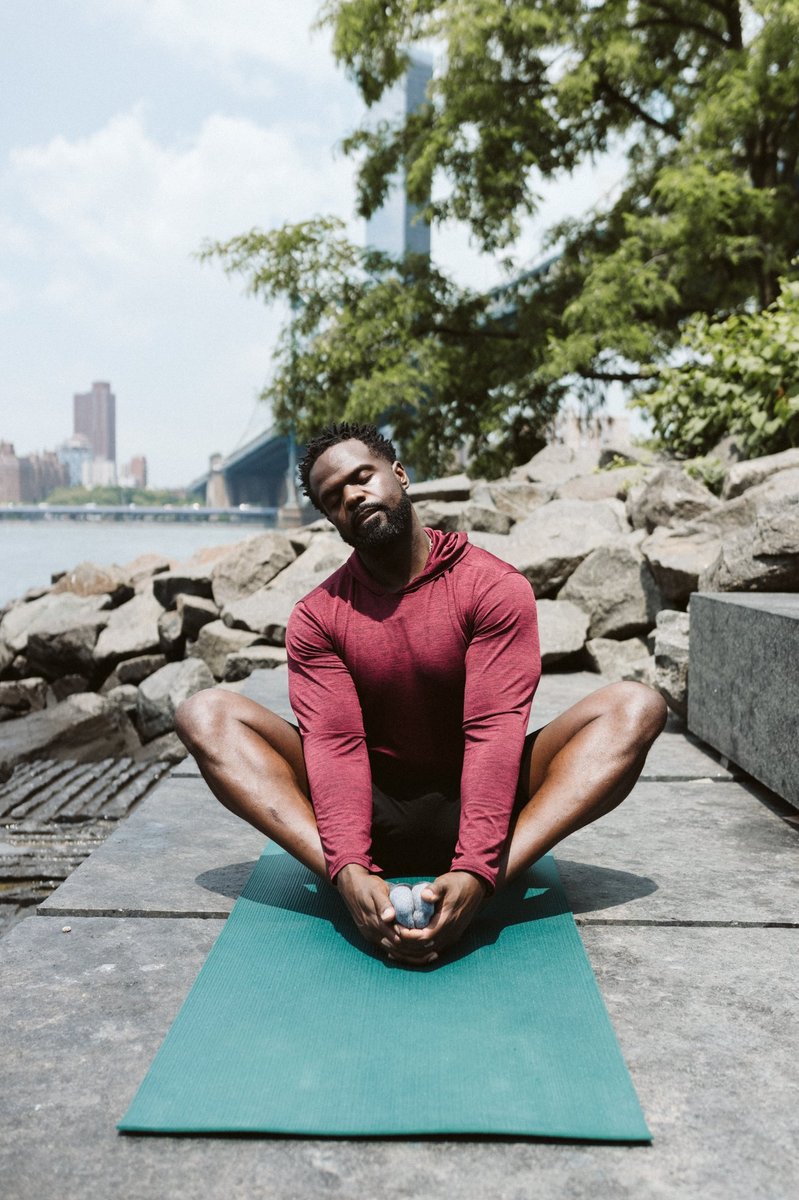
Founder
Courtney is . . . Man Courtney wears a lot of hats and is actively sorting them out. He's the founder of Something Positive for Positive People, a nonprofit supporting people living with herpes and neutralizing stigma. When he isn't neutralizing stigma, Courtney can be found in somebody's Brazilian Zouk or Bachata class, or dressed up for a comic con.

