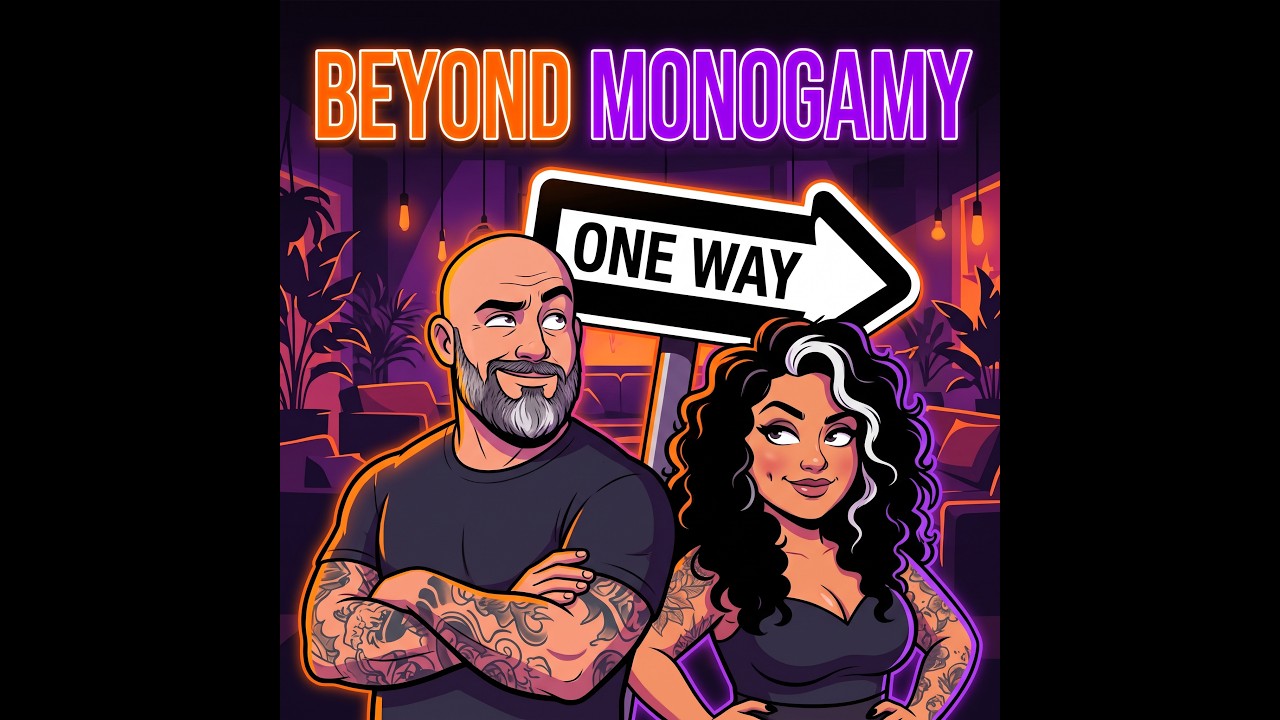
Polygamy vs Polyamory: Why Confusing Them Threatens ENM
Ethical non-monogamy and polygamy are entirely separate relationship structures with opposing foundations. While polyamory requires absolute equality, consent, and autonomy for all partners, traditional polygamy often relies on rigid hierarchy, patriarchal control, and one-sided relationship rules that completely violate the core principles of genuine non-monogamy.
Key Takeaways
- Polyamory and polygamy operate under fundamentally different rules regarding equality and autonomy.
- One-way relationship setups, where only one partner has dating freedom, directly contradict ENM standards.
- Religious and patriarchal frameworks often disguise control tactics as alternative relationship structures.
- Confusing restrictive polygamous arrangements with modern polyamory damages public perception of ethical non-monogamy.
- True ethical non-monogamy requires enthusiastic consent and multi-directional freedom for all involved parties.
The Structural Divide: Polyamory Versus Polygamy
When mainstream media or viral news stories cover alternative relationships, the terms get thrown around like a tossed salad. You hear about a pastor introducing a second wife or a manosphere influencer bragging about his harem, and suddenly the headlines scream about "non-traditional relationships." But let's get one crystal-clear truth on the table: polygamy is not polyamory, and they do not even belong in the same philosophical realm.
Polyamory—as practiced within the ethical non-monogamy community—is built on a foundation of equity. Every partner involved generally has the right to seek other connections if that is the agreed-upon structure of their dynamic. It is about emotional and romantic abundance, fueled by mutual trust, open communication, and absolute autonomy. You own your body and your choices; nobody else does.
On the flip side, traditional polygamy (specifically polygyny, where one man takes multiple wives) historically and structurally centers the man as the ultimate authority. The wives are expected to remain strictly loyal to the patriarch while he maintains the freedom to expand his family or network. There is no symmetry here. It is an arrangement designed to concentrate power, obedience, and domestic labor in the hands of a single individual.
Why One-Way Setups Are Just Cheating With Extra Steps
Let's talk about the buzzword of the moment: one-way monogamy. It sounds modern, almost clinical, as if it belongs in a sociology textbook. In reality, it is just a fresh coat of paint on a very old, very tired structure of control. When a manosphere podcast guest or a self-proclaimed prophet dictates that he can sleep with or marry whoever he wants while his wife or partner stays strictly locked down, that is not ethical non-monogamy.
That is cheating with a marketing budget.
In the swinger and ENM lifestyle, everything hinges on the "E"—the ethical part. Ethics require that boundaries are mutually agreed upon, that coercion is absent, and that the emotional well-being of all participants matters. If the freedom to love, explore, or be intimate only flows upward toward the man at the top of the pyramid, it is an unbalanced dictatorship. Pris said it best on the show: your partner is not your owner. If your voice is silenced by fear, guilt, or religious mandates, you aren't practicing non-monogamy. You are wearing golden handcuffs.
The Danger of Patriarchal Power Dynamics and Religious Control
It is impossible to discuss these viral relationship disasters without looking at the institutional power dynamics at play. Whether it is an online influencer selling "alpha male" lifestyle courses or a pastor hiding behind scripture to justify taking a younger, vulnerable second wife, the recipe for toxicity is always the same: an immense power imbalance.
When someone holds absolute spiritual, financial, or social authority over their partners—especially when there are significant age gaps or histories of instability—true consent becomes a massive grey area. If a woman is raised to believe that obedience to her husband is her ticket to divine favor, how can she genuinely say no? Fear of abandonment, social ostracization, and loss of community safety nets keep people trapped in dynamics that look like choice on the outside, but feel like a cage on the inside.
The ENM community works overtime to distance itself from these predatory echo chambers. Ethical non-monogamy asks you to unpack your jealousy, communicate your insecurities, and respect your partners as sovereign individuals. Patriarchal polygamy, conversely, weaponizes jealousy, demands unquestioning submission, and punishes independence.
Conclusion
Conflating restrictive religious polygamy or manosphere one-way setups with ethical non-monogamy does a massive disservice to everyone trying to build honest, transparent, and multi-partner relationships the right way. ENM is about freedom, equity, and mutual respect—not about building a personal kingdom where you hold all the cards and your partner holds none. To hear Adam and Pris break down these wild stories with humor, zero bullshit, and plenty of spice, be sure to Listen to the full episode and join us in calling out control disguised as non-monogamy.
Frequently Asked Questions
Is polygamy the same thing as polyamory?
No. Polygamy (specifically polygyny) involves one man having multiple wives, typically within a hierarchical, patriarchal structure where women do not share equal dating freedom. Polyamory is a form of ethical non-monogamy built on equity, where all consenting partners generally have the autonomy to pursue multiple romantic or sexual relationships.
What is 'one-way monogamy' in the manosphere?
One-way monogamy is a term used by certain male influencers to describe a relationship where the man is free to sleep with or date other women, while his primary partner is forced to remain strictly monogamous to him. The Beyond Monogamy hosts point out that this is simply a controlling double standard and has nothing to do with ethical non-monogamy.
Why do some religious groups practice polygamy if it's illegal?
Some independent religious leaders or fundamentalist sects reject civil marriage laws regarding bigamy, claiming theological exemptions or citing ancient biblical texts. However, these arrangements often create extreme power imbalances and remove autonomy from the female partners involved.
How can you tell the difference between ENM and a controlling relationship?
True ethical non-monogamy relies on enthusiastic consent, open communication, mutual emotional safety, and multi-directional freedom. If a relationship structure relies on obedience, shame, fear of abandonment, or rules that only apply to one partner, it is based on control rather than ethical non-monogamy.