Compersion Isn’t Automatic — And That Doesn’t Mean You’re Failing
Compersion Isn’t Automatic — And That Doesn’t Mean You’re Failing
Let’s talk about compersion.
Not the Instagram version. Not the “look how evolved we are” version. The real one — the messy, uncomfortable, sometimes awkward version that shows up in actual relationships.
This week’s Wednesday Quickie came from a moment that probably looks small from the outside, but felt big in real life.
We had a great play date. Everyone had fun. No drama. No red flags. And then… we didn’t talk about it.
“It Was Good.”
I asked Pris how it went.
She said, “It was good.”
If you’ve ever asked a teenager how school was, you already know how that landed.
I was excited. I wanted to share. I wanted to talk. I wanted that best-friend moment where we connect over something fun we experienced.
Instead, we hit a wall — not because anything went wrong, but because our brains were in completely different places.
Compersion Sounds Simple… Until It Isn’t
Compersion is usually defined as feeling joy when your partner experiences pleasure with someone else. Sounds great on paper.
But here’s the truth we don’t say enough:
Compersion is not natural for everyone.
For Pris, jealousy and possessiveness show up first. That wiring didn’t come out of nowhere — it’s cultural, learned, and deeply ingrained.
And that doesn’t make her wrong.
One of the most important things she said in this episode was:
“I don’t always have compersion — and that’s okay.”
Being “Okay” Is Still Progress
You don’t have to throw a parade for every win your partner has.
You don’t have to be excited, turned on, or emotionally glowing.
Sometimes being okay is the win.
Sometimes growth looks like sitting with your feelings instead of pretending they don’t exist.
We’re still married. We’re still happy. We’re still choosing each other — even when our emotional responses don’t line up.
ADHD Brains and Emotional Overload
Another big piece of this conversation was mental load.
Pris’s brain doesn’t stop. Work, life, stress, responsibilities — it’s all running at the same time. When that’s happening, even good moments can slip by without being processed.
That doesn’t mean she didn’t care.
It meant we needed to talk about timing, space, and how to communicate better.
Different Doesn’t Mean Broken
We are very different people.
Different ways of thinking. Different ways of processing emotions. Different relationships to sex and desire.
And yet — we make it work.
Non-monogamy doesn’t succeed because both partners feel the same things at the same time.
It succeeds because you talk, you compromise, and you don’t shut down when things get uncomfortable.
The Real Rule of Non-Monogamy
There are no universal rules.
You make them.
Know your hard boundaries. Speak up. Don’t force emotions you don’t feel. And don’t stop communicating just because something feels awkward.
If this episode hit close to home, you’re not alone — and you’re not doing it wrong.
Want to keep the conversation going? Visit www.beyond-monogamy.com to check out our events, merch, blogs, and the anonymous Beyond Monogamy Confessional.
Growth isn’t always sexy — but it’s real.
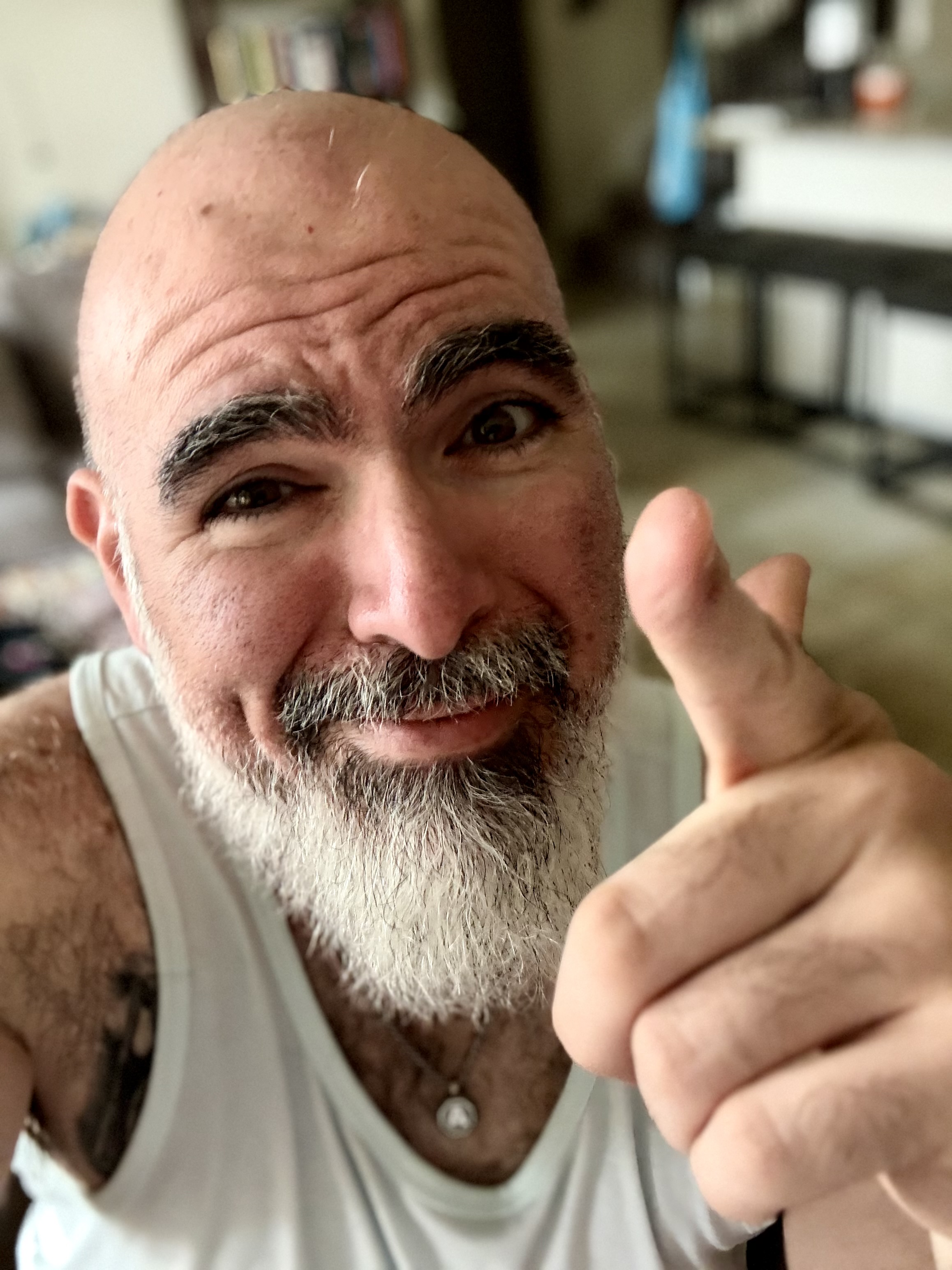
Co-host
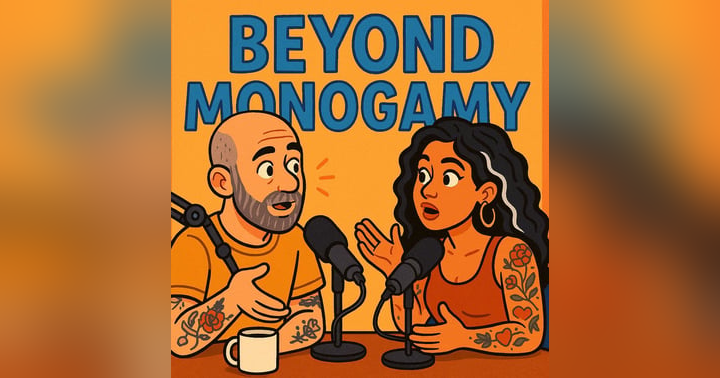
Adam is the bald, bearded, caffeine-fueled voice behind Beyond Monogamy — a guy who never expected to become a spokesperson for ethical non-monogamy… but here we are. After more than a decade navigating the lifestyle with his wife and co-host Pris, he’s learned a ton about communication, boundaries, jealousy (yep, he has it too), and what it really takes to build a relationship that feels like home and adventure at the same time.
Whether he’s diving into deep relationship conversations, calling out the myths the lifestyle loves to cling to, or just hyping up couples to choose their joy unapologetically, Adam brings honesty, humor, and tattoo-level commitment to every episode. If you’ve ever thought, “Is it just us?”, he’s the guy handing you a coffee and saying, “Nah — welcome to the club.”
Beyond Monogamy is his way of making sure nobody has to explore this world alone. Because love gets bigger when community gets louder.
📍 Based in Texas
☕ Early-morning gym rat
🎙 Podcast host, connection-builder, lifestyle storyteller
💭 Motto: “We don’t break rules — we make better ones.”
Is a Couple's Play Partner Off Limits? The Etiquette Nobody Talks About — Beyond Monogamy QUICKIE